DJ, vocals and songwriting · 2027
Study DJing, Vocal Performance or Songwriting Abroad in 2027: How to Choose and Apply
Auditions, creative portfolios, study routes and a realistic career plan
A complete guide to choosing between DJ performance, contemporary vocals and songwriting, preparing an audition or portfolio, and planning admissions, costs, visas and a realistic career start.
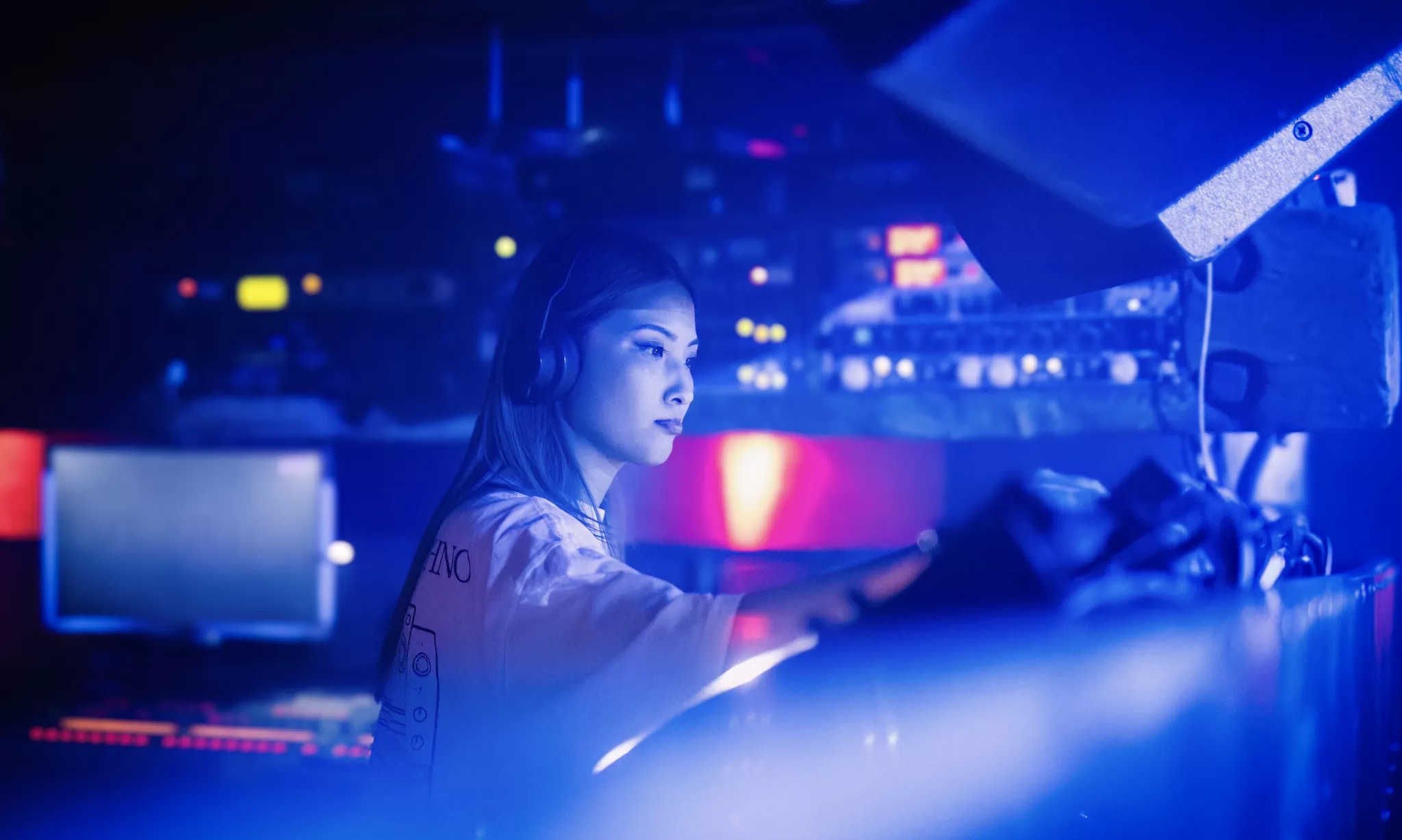




Music education is still often presented as a choice between a conservatoire and a bedroom studio. In reality, a modern applicant can study DJ performance, contemporary vocals, songwriting, music production and live practice within one degree—or deliberately build depth in a single discipline. The hard part is not finding a course with an exciting name. It is understanding what work you want to do every day, what evidence of creative readiness the school expects, and whether the curriculum will lead to a portfolio that can carry you beyond graduation.
This guide explains how DJ courses abroad differ from vocal performance and songwriting degrees; how to prepare a DJ mix, a vocal audition and a songwriter portfolio; what to verify in modules, admissions, tuition and visa rules; and how to turn creative ambition into a credible 2027 application plan.
The short answer: which music route should you choose?
Choose by the central action you are willing to repeat hundreds of times, not by the image attached to the profession.
- DJ performance suits people who think in room energy, set narrative, transitions, music discovery and audience response.
- Contemporary vocal performance suits people who want to develop the voice as an instrument, interpretation, stage presence, studio technique and ensemble work.
- Songwriting suits people drawn to melody, lyrics, harmony, song form, co-writing and the process of turning an idea into a finished work.
- A hybrid programme makes sense when you already know your primary role but need an adjacent skill: DJ performance plus production, vocals plus songwriting, or songwriting plus studio recording.
A useful first test is simple: write down three projects you want to complete in the next year. If all three depend on the same core skill, you have a starting direction. If the list is a collection of unrelated wishes, it is too early to choose a programme.
At this stage, GUGA Education does not simply “sell a course”. We help you assess your creative profile by matching experience, strengths, academic background, budget and career intent to real modules and entry requirements. You can begin by contacting our admissions team, while our guide to studying music abroad provides the wider context.
A decision map: DJ, vocalist or songwriter?
One person can perform, write and produce, but an application needs a coherent story. The admissions team should see a direction of growth, not an inventory of hobbies.
- Choose the main outcome. A DJ set, a compelling live performance and an original song are different centres of gravity for a portfolio.
- Name the working environment. Club and festival; stage and vocal studio; writing room, publisher or independent artist project.
- Identify the gap. Technique, musical language, stagecraft, production, business knowledge or the discipline of collaboration.
- Test the course with evidence. Modules, practical hours, equipment access, assessment methods, working tutors, performances and the graduate portfolio should address that gap.
| What excites you most | Priority route | Evidence of readiness |
|---|---|---|
| shaping a set’s energy and discovering music | DJ performance | a structured mix, purposeful selection, controlled transitions and a clear account of the concept |
| controlling the voice and communicating material convincingly | contemporary vocal performance | contrasting pieces, intonation, rhythm, range, interpretation and stage communication |
| creating melodies, lyrics and song structures | songwriting | finished original songs, lyrics, demos and a precise statement of your contribution |
| combining performance with original material | hybrid programme | one strong primary profile plus evidence of an adjacent skill—not a shallow collection of everything |
What DJs, vocalists and songwriters actually study
A course title does not guarantee its substance. Two schools may both advertise “contemporary music”, yet one builds professional stagecraft while the other leaves students with a handful of theory units and a weak body of work.
DJ education is not just learning transitions
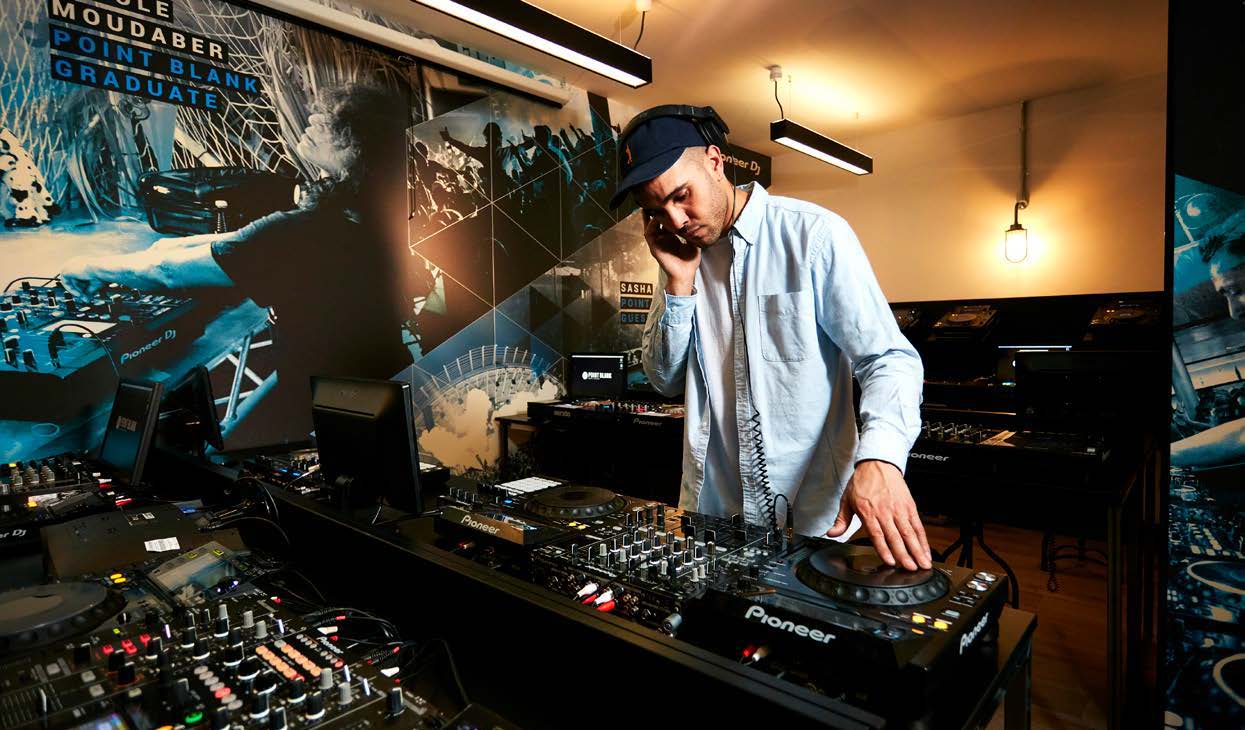
A serious DJ course covers library preparation, set structure, phrasing, tempo and harmonic relationships, professional players and controllers, effects, mix recording, live performance and technical preparation for a venue. A useful programme also addresses promotion, music rights, professional communication and the development of an authentic artist profile.
Distinguish a genuine DJ school from an extended equipment demonstration. If a course does not require complete sets, reflection on music selection and regular critical feedback, it is difficult to measure progress.
Vocal study means voice, musicianship and professional stamina
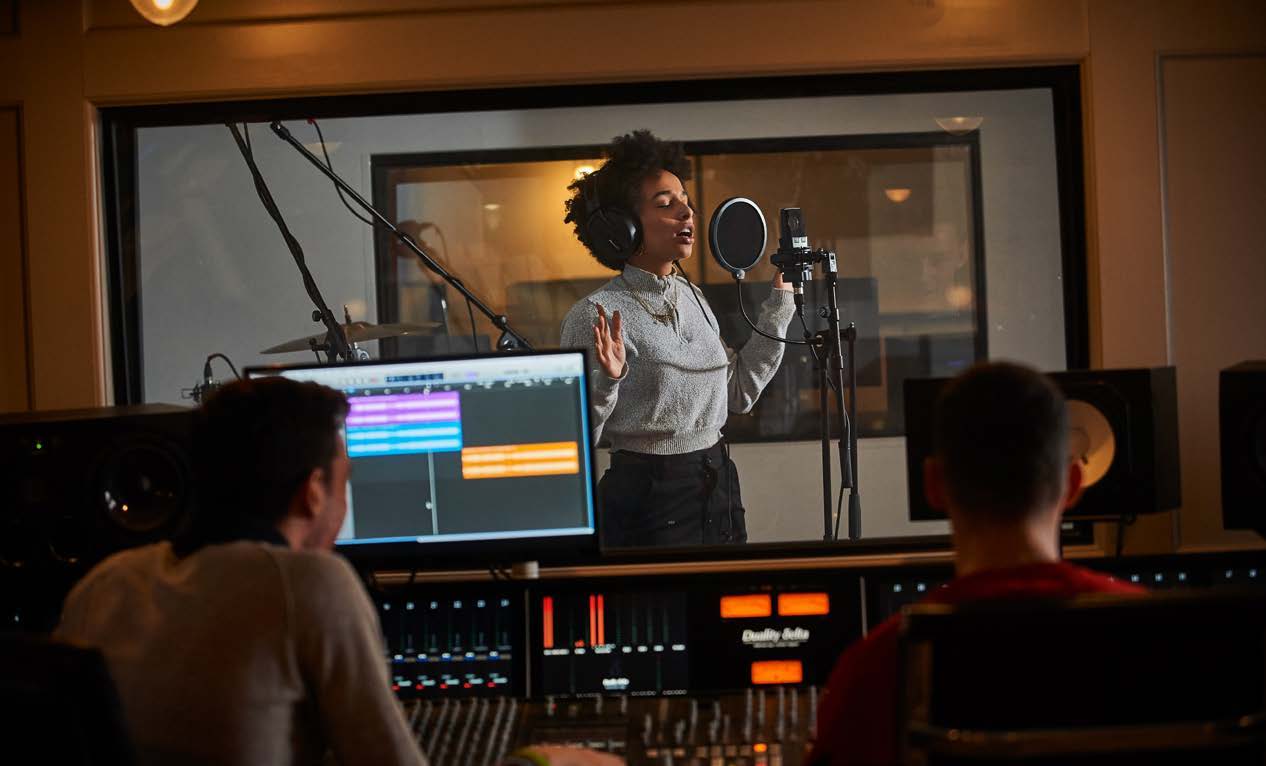
Studying contemporary vocals abroad is not an endless sequence of favourite songs. Students work on breath, intonation, rhythm, articulation, range, style, aural skills, ensemble practice, studio recording, microphone technique and sustainable vocal load. A strong method should not force every singer into one mannerism; it should help the student develop a recognisable and healthy individual voice.
Stage and studio work are separate disciplines. On stage, a singer must hold attention, move, work with musicians and recover after a mistake. In the studio, the same singer must repeat phrases accurately, hear detail and respond to a producer without losing emotional truth.
Songwriting is the craft of writing songs
Songwriting combines lyrics, melody, harmony, rhythm, form, arrangement and revision. A good songwriting degree teaches students not to wait for inspiration but to develop material through drafts, constraints, collaboration and rigorous critique. Look separately for writing-to-brief, studio vocal production, music business, copyright and catalogue-presentation modules.
The term songwriting degree covers very different programmes—from academically oriented popular-music composition to practical artist-writer development. Compare learning outcomes and student work, not the translated course title.
When a hybrid course is stronger than a narrow specialism
Hybrid study works when the disciplines genuinely reinforce one another. A DJ who learns production can create original tracks and edit material for sets. A vocalist who studies songwriting gains control of repertoire. A songwriter with recording skills can communicate a demo more persuasively.
Breadth can also conceal superficial teaching. Check whether:
- the curriculum progresses from foundation to advanced work;
- students complete enough individual and collaborative projects;
- each pathway has a specialist tutor rather than one generalist covering everything;
- rehearsal rooms, performance spaces, studios, DJ equipment and technical support are genuinely available;
- the final project can be shaped around the student’s primary role;
- ownership of student songs, recordings and performances is clearly explained.
If you cannot describe what will be in your portfolio at graduation after reading the module list, the programme title is not giving you enough information.
Short course, certificate or bachelor’s degree?
Match the format to your starting point and goal, not to the desire to collect a qualification quickly.
| Format | When it can work | Main risk |
|---|---|---|
| short intensive | testing a discipline, learning a specific technique, completing one focused project | too little time for systematic musicianship and portfolio development |
| one-year certificate | building foundations, preparing for a longer degree or concentrating on practical output | qualification level and progression options need separate verification |
| bachelor’s degree | gaining sequenced training, a professional community, many projects and a recognised qualification | major time and financial commitment; a weak degree is still a weak degree |
| private lessons | developing voice, instrument, writing or DJ technique in a targeted way | no automatic access to a team, industry environment or academic progression route |
For an international student, format also affects immigration options. Not every short course supports a long-term Student visa route. Verify provider status, course level, duration and the award before making plans.
What a strong programme should contain
You can assess quality without relying on a headline ranking. Look for five layers of development.
Craft
Regular technical practice: performance, ear training, rhythm, equipment, writing, recording and editing.
Artistic language
Space to make creative decisions, receive reasoned critique and revise work rather than reproduce one approved style.
Collaboration
Shared sessions among DJs, singers, writers, producers and musicians. The music industry runs on handovers between roles, deadlines and precise communication.
Public outcome
A recorded set, concert, song catalogue, showcase, release or final project with accurate credits. An employer or collaborator evaluates evidence of work, not a module list.
Professional system
Copyright, metadata, contracts, budgets, branding, promotion, venue safety and ethical use of artificial intelligence. This layer separates a hobby from sustainable practice.
Why the UK and London attract music applicants
London brings together clubs, studios, venues, publishers, labels and international creative communities. That can give students more live examples and working contacts, but location does not replace course quality. A DJ course in London justifies its cost only when the school provides consistent access to equipment, performance, mentoring and completed projects.
UK creative courses may recruit through UCAS or directly. They may use a live audition, a recorded audition, a portfolio, an interview or several forms of assessment. UCAS Conservatoires explains that performers normally prepare at least two contrasting pieces; an aural test, sight-reading or sight-singing and an interview may also be required. Some institutions accept video or audio submissions from international applicants. The live course requirements always take precedence.
Compare London with other cities by more than reputation. Add rent, transport, food, equipment, insurance, visa costs and commuting time. A smaller city can sometimes provide more practice time for a lower total budget.
A partner example: combining DJ performance, vocals and songwriting
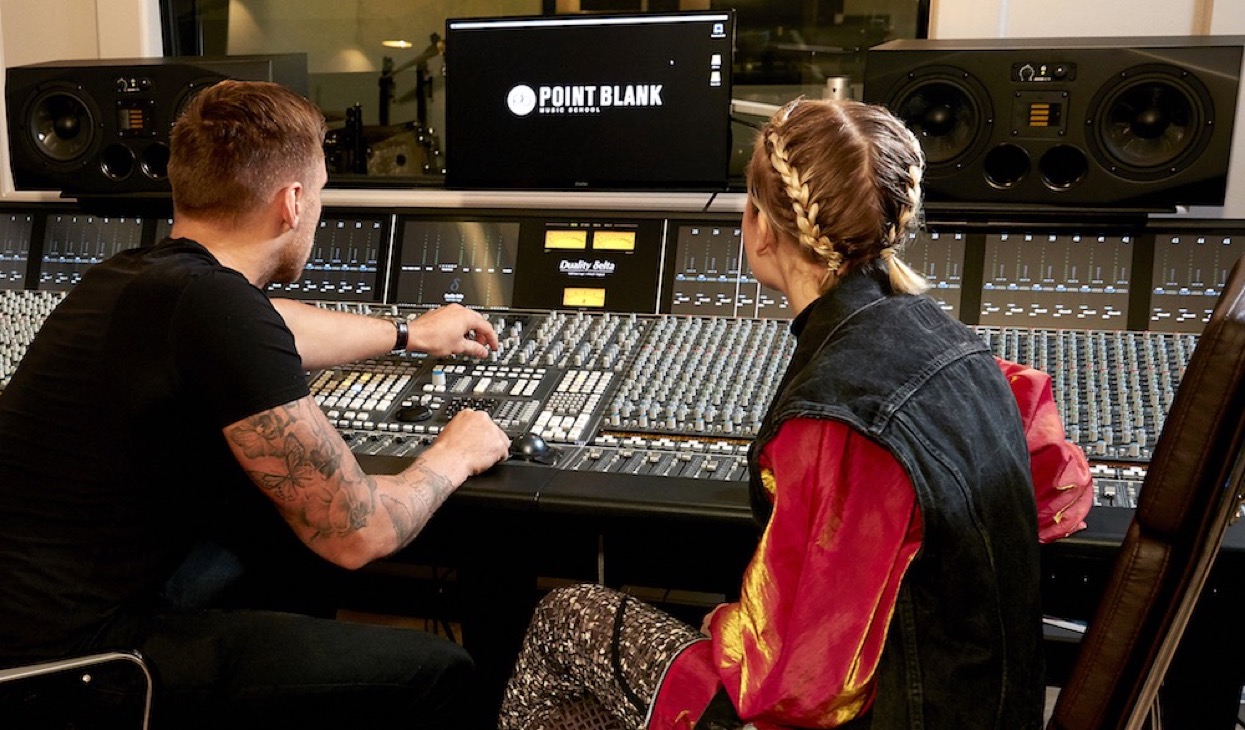
Point Blank Music School is a GUGA Education partner and a useful example of a practical model in which music disciplines do not sit in isolation. As checked on 20 August 2026, the London school offers separate Music Production & DJ Performance and Songwriting & Vocal Performance routes, as well as a one-year certificate combining music production and songwriting.
The DJ route combines production, performance practice, professional systems, set development and artist-profile work. The vocal-songwriter route includes vocal performance, musicianship, live and studio vocal technique, lyric and melody writing, composition, collaboration, business and a final portfolio.
The verified 2026/27 tuition for the three-year bachelor’s routes was £15,750 per year for international students and £9,790 per year for UK students. A typical academic benchmark was 112 UCAS tariff points or an equivalent qualification; the vocal programme required an audition. Start dates and fees change and must be rechecked immediately before any 2027 application.
We deliberately do not place a direct school link in this article. GUGA compares this and other relevant programmes, clarifies current requirements, and manages documents, portfolio preparation and communication through one admissions workflow. That reduces the risk of choosing an attractive title at the wrong level, in the wrong format or for the wrong creative profile.
Applying for DJ, vocal and songwriting courses: what admissions assesses
A creative degree does not remove academic requirements. Admissions may assess school or prior qualifications, English, motivation, references, a portfolio, audition and interview. Some schools review experience holistically, but that does not mean automatic admission without preparation.
Ukrainian applicants must establish how their credentials map to the selected route. Under Point Blank’s requirements checked on 20 August 2026, a Ukrainian school-leaving certificate on its own may be considered for a Foundation Year. Direct bachelor’s entry may require that certificate plus a recognised UK foundation programme or one successfully completed year of university study. The final decision is programme-specific and individual.
Build a requirements tracker with separate fields for:
- academic qualification and required grades;
- English test and component minimums;
- type of creative assessment;
- length and technical specifications of files;
- application deadline and any separate portfolio deadline;
- audition date, time zone and remote options;
- assessment or audition fee, where applicable;
- decision timeline, deposit and visa documents.
Audition, portfolio and interview prove different things
An audition shows performance in a specific moment: technique, musicianship, preparation, response to direction and communication. A portfolio demonstrates a body of work, development and the ability to finish projects. An interview explains motivation, decisions, contribution and readiness for the learning process.
One strong song cannot rescue an empty explanation. A polished lyric does not compensate for an unprepared vocal audition. A dramatic DJ edit does not prove that the applicant can build a complete set.
Read the instructions for the exact course before recording. Do not alter duration, repertoire or file format because your version seems more logical. Name files clearly, provide works and credits, describe your contribution, and test audio and video on another device.
A DJ portfolio that shows musical thinking
You do not need a montage of twenty highlights to apply for DJ performance. A complete mix that demonstrates structure, tempo control, transition logic and energy development is usually stronger evidence.
A practical minimum selection
- one principal DJ mix with a coherent arc;
- a shorter contrasting set or extract in another style;
- an accurate track list with artist names;
- a short note covering audience, concept, technique and the hardest decision;
- a video excerpt if the course asks for proof of work on equipment;
- an original remix or track only when it genuinely strengthens the application.
Do not hide transitions through editing and never submit somebody else’s mix. Admissions is not counting effects; it is assessing control of material. If a small mistake does not destroy the set, a real recovery may be more convincing than a falsely immaculate video.
Vocal auditions: repertoire, recording and presence
Choose contrasting pieces that show different aspects of the voice while remaining in a healthy tessitura. The highest note is not evidence of maturity. Intonation, timing, phrasing, breath, textual meaning and command of the complete piece matter more.
For a recorded audition
Position the camera so the face, torso and natural breathing are visible. Capture clean sound without aggressive pitch correction, excessive reverb or prohibited editing. Introduce the work, writer and accompaniment. Check whether the school requires one continuous take.
For a live audition
Prepare a starting pitch, backing track or notation in the requested format. Know the tempo and key. Be ready to repeat a phrase, change an interpretation or complete a short aural task. Professional potential appears not only in the first attempt but in the response to feedback.
Voice preparation must be safe. Do not suddenly increase vocal load just before a recording and do not treat pain as something to “push through”. Persistent discomfort requires a suitably qualified professional, not social-media advice.
A songwriter portfolio: songs, lyrics and honest credits
A songwriting portfolio should demonstrate the ability to develop an idea, not one successful imitation. Unless a course states otherwise, three to five finished and purposefully different works are often enough to show range.
For each song, include:
- title, duration and language;
- lyric, music and arrangement credits;
- your exact contribution to a co-write;
- a readable lyric sheet;
- a demo that allows the song to be assessed;
- one or two sentences on the concept and a meaningful revision decision.
Do not make every demo imitate an expensive commercial release. If songwriting is being assessed, melody, lyrics, form and artistic voice matter more than a random quantity of plug-ins. The recording must still be clear enough for technical problems not to obscure the composition.
The most common creative-application mistakes
An unedited portfolio
Twenty uneven works suggest that the applicant cannot select. A shorter portfolio is stronger when every element has a distinct purpose.
An invisible personal contribution
“We made the track” explains nothing. State who wrote the melody and lyric, arranged, recorded, sang, produced, mixed and edited the final version.
Copying one artist
Influence is natural, but a portfolio must show decisions rather than an imitation of somebody else’s tone, visual identity or song structure.
Ignoring technical instructions
A broken link, private permissions, oversized file, unclear title or silent video can prevent assessment before the creative work is considered.
Generic motivation
“I have loved music since childhood” does not explain course fit. Connect previous work to specific modules, missing projects and the next professional step.
Tuition fees and the music student’s real budget
Tuition is only the first line. A DJ, singer or songwriter should also budget for:
- accommodation, deposit and utilities;
- transport and food;
- visa, immigration health charge and document translation;
- headphones, storage, adapters and backups;
- an instrument, vocal tuition or rehearsal room if the programme does not provide it;
- professional events and local travel;
- replacement or insurance of essential equipment;
- an arrival reserve and unexpected costs.
Compare total cost to completion, not the largest number on a marketing page. Ask which facilities are available outside class, whether rehearsal time carries extra fees, and what students must buy themselves.
GUGA can build a comparable budget, verify current tuition, deposits and deadlines, and distinguish genuine funding from a discount with restrictive conditions. Our study-abroad costs and funding guide provides additional context.
English for a creative music course
The test establishes a minimum, but study demands more: understanding a technical brief, discussing interpretation, giving useful feedback, presenting a project and agreeing credits.
As checked on 20 August 2026, Point Blank’s typical higher-education benchmark for international applicants was IELTS Academic 6.0 overall with no component below 5.5. This is not a universal requirement and does not guarantee admission.
Build English through the work you will do:
- introduce a set, performance or song in 60 seconds;
- explain two creative decisions without vague adjectives;
- learn the vocabulary of the studio, stage and writing room;
- give a short, respectful and specific critique;
- rehearse the interview without memorising an artificial script.
The UK Student visa and paid music work
Creative careers often use short contracts, fees and self-employment, but Student permission can restrict them. Current UK guidance for the Student route sets work conditions that can prohibit self-employment, business activity, work as a professional entertainer or filling a permanent full-time vacancy. The precise permitted work depends on the course, sponsor and conditions recorded in the applicant’s digital immigration status.
Do not build a budget on “I will immediately play paid DJ sets” or “I will earn money singing”. Before accepting payment, verify:
- the exact conditions in your digital immigration status;
- the institution’s rules and Confirmation of Acceptance for Studies;
- whether the activity is employment, self-employment, business or professional entertainment;
- tax, contract and rights implications.
Rules change. Recheck official conditions before applying and again before starting any work rather than relying on another student’s experience.
Careers after graduation: one profession rarely means one income
A DJ may perform, programme music, release original material, work in radio, events or brand projects. A vocalist may build an artist project, sing sessions, teach where appropriately qualified, join ensembles or work in media production. A songwriter may write for an independent project, other artists, publishers, advertising, film, television or games.
The early career is often a portfolio career: several activities, uneven income, continuing collaboration and periods without paid projects. Education cannot guarantee a contract. Its value lies in faster craft development, access to people and systems, regular completion of work and the ability to explain a professional contribution.
Test career claims by asking:
- what roles graduates actually secured and over what period;
- whether the example is paid work, an internship or a one-off project;
- how many graduates the evidence covers;
- whether the school shows specific work rather than only company logos;
- how the curriculum teaches contracts, negotiation, rights and business discipline.
Copyright, artificial intelligence and professional reputation
Record writers, performers, producers and owners in every collaboration. Rights in a composition and rights in a particular sound recording are distinct. Agree shares and permissions before release, not after the first dispute.
A DJ must check the legality of publishing recorded sets and using protected material. A vocalist needs clarity on recording terms, use of voice and credit. A songwriter needs clear splits, co-writer terms, publishing arrangements and metadata. “Found online” is not a licence.
Artificial intelligence can support organisation, alternatives and technical experimentation, but it raises questions about source material, consent to voice use, authorship and institutional rules. Do not present generated work as your own performance or writing. Keep project versions and be ready to explain the process.
How to compare two music programmes
Score every option against the same matrix rather than the atmosphere of an open day.
| Criterion | Questions for the school |
|---|---|
| primary pathway | are there enough hours in DJ performance, vocals or songwriting? |
| tutors | are they currently active in the role you want? |
| facilities | what can students use, when and under what rules? |
| projects | how many completed works will you make? |
| feedback | how often and how specifically is work reviewed? |
| performance | are there real showcases, stages, recordings or writing sessions? |
| assessment | what must be submitted and who evaluates it? |
| industry | are partners, briefs, visiting professionals and careers support verifiable? |
| rights | who owns student songs, recordings and performances? |
| total cost | tuition, equipment, living costs, deposits and extra charges? |
| admissions | academics, English, portfolio, audition and deadlines? |
| international route | visa sponsorship, documents, deadlines and post-offer support? |
Mark every unclear answer. Three unknowns in critical areas are not an invitation to “trust the brand”; they are a reason to ask better questions.
A 12-month application plan
12–10 months before the deadline
Choose the primary discipline and countries, build a broad programme list, verify academic eligibility and assess English. Record one baseline work to see the real starting point.
9–7 months before the deadline
Choose repertoire or portfolio projects. Work with a mentor, complete first versions, collect documents and plan the language test. Do not wait for the deadline announcement to start the creative work.
6–4 months before the deadline
Narrow the list, confirm file and audition formats, record a test video, prepare motivation and references, and build a complete funding plan.
3–2 months before the deadline
Finish the selection, commission an independent review, and check access, file names, credits and lyrics. Rehearse interview and live-audition conditions.
Final month
Submit before the technical deadline. Save confirmation, monitor the applicant portal and email, and prepare for follow-up tasks. Do not rerecord the whole portfolio overnight without a critical reason.
How GUGA Education supports a music application
GUGA builds one controlled route instead of a collection of disconnected applications. Support can include:
- diagnosing the right direction: DJ, vocals, songwriting or a justified hybrid route;
- researching and comparing programmes by modules, level, format, admissions and budget;
- checking current requirements for Ukrainian credentials;
- planning portfolio, audition, repertoire and deadlines without creating the applicant’s work for them;
- editorial work on motivation and the explanation of personal contribution;
- controlling translations, references, English testing, forms and correspondence;
- planning deposits, financial documents and the visa stage;
- interview preparation and post-offer next steps.
We do not guarantee admission, a visa, funding or a career outcome. We make the process evidence-led: every programme has a reason to be on the list, every file has a purpose, every deadline has a source and every creative claim has work behind it. GUGA can audit an existing shortlist or build the route from first direction to submission.
Frequently asked questions about DJ, vocal and songwriting study abroad
Can I apply for a DJ course without club experience?
Yes, some entry-level programmes do not require professional club work. You still need to demonstrate musical interest, learning potential and the specified creative requirements. Even a simple, well-structured recorded mix is stronger than a generic statement about loving electronic music.
Do I need music school training for contemporary vocal performance?
Not always. Requirements vary. Theory may be useful, but contemporary programmes often assess voice, musicianship, potential, preparation and academics together. Check the exact course.
What should I sing at a vocal audition?
Choose pieces that meet the instructions and show contrast without harming the voice. Material you can control in pitch, rhythm, text and form is stronger than a song chosen only for its highest note.
How many songs should be in a songwriting portfolio?
There is no universal number. Unless the school states otherwise, three to five complete works with distinct purposes usually reveal more than a large archive of unfinished drafts.
Must a songwriter sing their own demos?
Not necessarily, unless the rules require personal performance. You can work with a vocalist, but every writer, performer, producer and personal contribution must be credited honestly.
Can I apply for DJ performance without original tracks?
Often yes. DJ performance and music production overlap but are not identical. If original production is not required, a strong set is better than a weak track added for quantity.
Do I need expensive equipment before applying?
No. Reliable access, regular practice and finished work matter first. Check what the school provides and what is genuinely needed at home before buying.
Can vocals and songwriting be combined in one degree?
Yes. Some courses combine vocal performance, songwriting, studio recording and music business. Verify the balance: the word “vocal” in a title does not guarantee enough individual voice work.
What English level is required?
It depends on the provider and level. Point Blank’s benchmark checked on 20 August 2026 was IELTS Academic 6.0 overall and 5.5 in each component for higher education. Other courses may set different requirements.
Can an international student work as a DJ or musician in the UK?
There is no safe general answer without checking individual conditions. Student permission can restrict self-employment, business and professional entertainment. Verify the digital status, sponsor rules and current immigration guidance before accepting payment.
Does a music degree guarantee a job?
No. A degree can provide structure, mentoring, teams, facilities and a portfolio, but outcomes depend on work quality, professional conduct, collaboration and market conditions.
When should I prepare for 2027 entry?
Ideally 9–12 months before the deadline, especially when English, a portfolio, repertoire and academic-route confirmation are needed. With less time, begin with a requirements audit rather than recording everything at random.
Conclusion: a strong music route begins with a precise choice
DJ, vocalist and songwriter are not three versions of the same dream. They are different ways of listening, creating, performing and working with people. The best course is not the one with the most fashionable language; it is the one that turns your primary direction into a sequence of increasingly ambitious, finished and honestly documented works.
Choose the central role first. Then verify modules, creative assessment, access to practice, full budget, English and the international route. Only then record the final portfolio and submit. If you need a system, GUGA Education can connect course choice, creative preparation, documents, deadlines, finance and visa steps when you contact our admissions team.
Sources and currency of information
Factual details were checked on 20 August 2026 against official UCAS Conservatoires guidance, live Point Blank Music School course and entry pages, the UK Student route rules and GUGA’s local partner materials. External research links are deliberately not displayed in the article; partner communication and application support remain inside the GUGA workflow.
Start dates, tuition, entry requirements, audition formats, visa conditions and work rights can change. GUGA rechecks the current official conditions for the exact programme before every application. This is editorial guidance, not a guarantee of admission, visa approval, funding or employment.